ABout me
My perspective comes from living the student-athlete experience.
I am a college student-athlete with a strong interest in psychology and criminal justice. Volleyball has been a major part of my life, and being involved in athletics has shown me how closely physical performance and mental wellness are connected.
I am especially interested in the mental side of athletics: confidence, pressure, burnout, identity, motivation, and the challenge of balancing school with competition. I want to use what I learn through psychology and my own experiences as an athlete to help create healthier conversations around mental health.
My goal is to remind athletes that their worth does not depend on a stat, a coach, a starting spot, a grade, or one bad performance. You are a person first and an athlete second.
FEATURED THOUGHT
“Your sport is something you do. It is not everything you are.”
The goal is not to remove pressure from athletics completely. It is to learn how to handle pressure without allowing it to define your identity. Physical performance does not determine your value. A bad game cannot take away your intelligence, kindness, character, work ethic, humor, or the way you show up for the people around you. You are still all of those things, whether you score the winning point or have your worst game.
ATHLETE WELLNESS
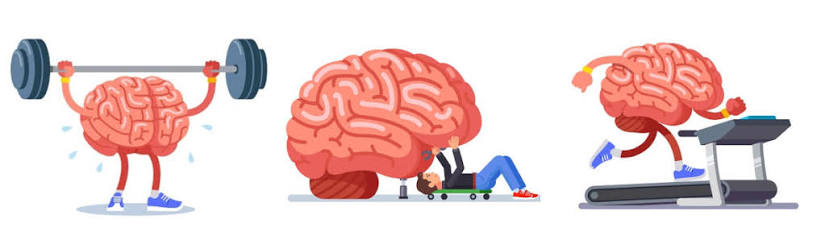
The mental side matters, too.
Healthy athletes need more than physical training.

Athlete Identity
When sports become a huge part of who we are, injury, playing time, or the end of a season can feel personal. Building an identity outside of sport can make athletes more resilient.
Burnout
Constant training, schoolwork, travel, competition, and expectations can take a toll. Rest and recovery are part of becoming a better athlete, not signs of weakness.
Confidence
Confidence is more than believing you will win. It is learning to trust your preparation and separate your self-worth from performance.
Balance
Student-athletes are asked to perform in two demanding worlds. Learning how to manage time, relationships, academics, and sport can protect long-term wellness.
RESOURCES
Support is part of strength.
If you are struggling, reaching out to a trusted person or qualified professional is a strength, not a failure.
Campus Counseling Look for your college’s counseling or wellness center.
Coach or Athletic Staff Talk with someone you trust within your athletic program.
Trusted Support System Friends, family, teammates, professors, and mentors can be part of your support network.
Professional Help A licensed mental-health professional can provide individualized support.

